The Autonomous Engineering Revolution: Anthropic's Claude Opus 4.7 Launch Unpacked
Anthropic officially launches Claude Opus 4.7, a cutting-edge AI model featuring autonomous software capabilities, high-resolution vision, and revolutionary code collaboration features.
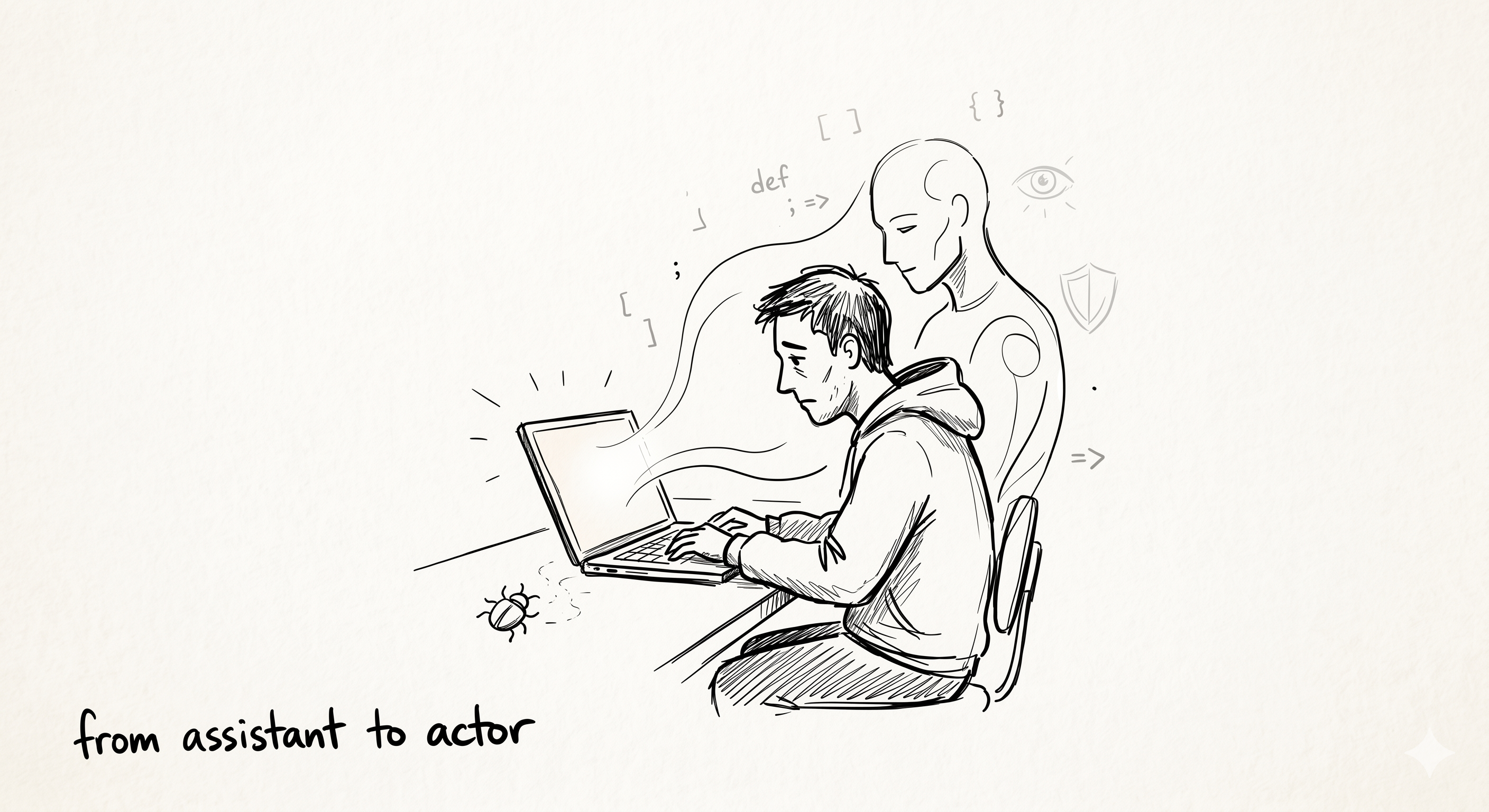
Building complex software infrastructure is entering a new chapter. On April 16, 2026, Anthropic officially released Claude Opus 4.7, an artificial intelligence model update that fundamentally shifts the role of AI from merely a “coding assistant” to an “autonomous executor agent.”
Here are the key breakthroughs that make this launch crucial for the software development ecosystem:
1. Autonomous Coding Performance Leap
The biggest update to Opus 4.7 is its ability to verify its own output. During the planning phase, this model can identify its own logic flaws before presenting code to users. This resilience against failure allows Opus 4.7 to score an 87.6% completion rate on the SWE-bench Verified evaluation, putting it far ahead of current competitor models in the industry.
2. Drastically Sharper Visual Resolution
Computer-vision capacity has been massively upgraded. Opus 4.7 can now process images up to 2,576 pixels in resolution (about 3.75 megapixels), a figure more than triple the previous version’s limit. This sharp increase allows the model to read dense technical diagrams, user interface screenshots, and even molecular chemical structures with a visual fidelity of 98.5%.
3. Multi-Agent Evaluation via /ultrareview
Alongside this launch, Anthropic introduced the updated Claude Code desktop app, complete with the /ultrareview command. Unlike conventional code audits, this feature uploads repositories to Anthropic’s cloud sandbox, then deploys dozens of AI agents to dissect bugs from various angles (performance, security, logic) simultaneously. Each vulnerability is then independently reverified before being reported to developers.
4. Security and Project Glasswing
Released under the shadow of Anthropic’s secret zero-day finder model named Claude Mythos, Opus 4.7 was deliberately designed with reduced defensive hacking capabilities. This launch is tightly integrated with Project Glasswing, a global security coalition with tech giants to ensure internet vulnerabilities are safely patched by AI without raising the risk of exploitation. Opus 4.7 is proven to be more immune to malicious instruction manipulation compared to its predecessors.
In a commercial landscape that relies heavily on top-tier software infrastructure, Gilabs Studio understands the importance of rapid innovation balanced with stability and security. We continuously integrate the latest insights from automation technologies into our services to deliver technically robust prototypes. Gilabs provides comprehensive solutions ranging from ERP, CRM, POS, to financial systems to accelerate the digitalization of your business operations.
Key Takeaways
- • Opus 4.7 scores 87.6% on the SWE-bench Verified benchmark for autonomous coding tasks
- • Vision support increased 3x to 3.75 megapixels for precise interface understanding
- • The '/ultrareview' feature in Claude Code deploys an armada of AI agents for parallel bug hunting in the cloud
- • Released as part of the global Project Glasswing cyber defense initiative to ensure security